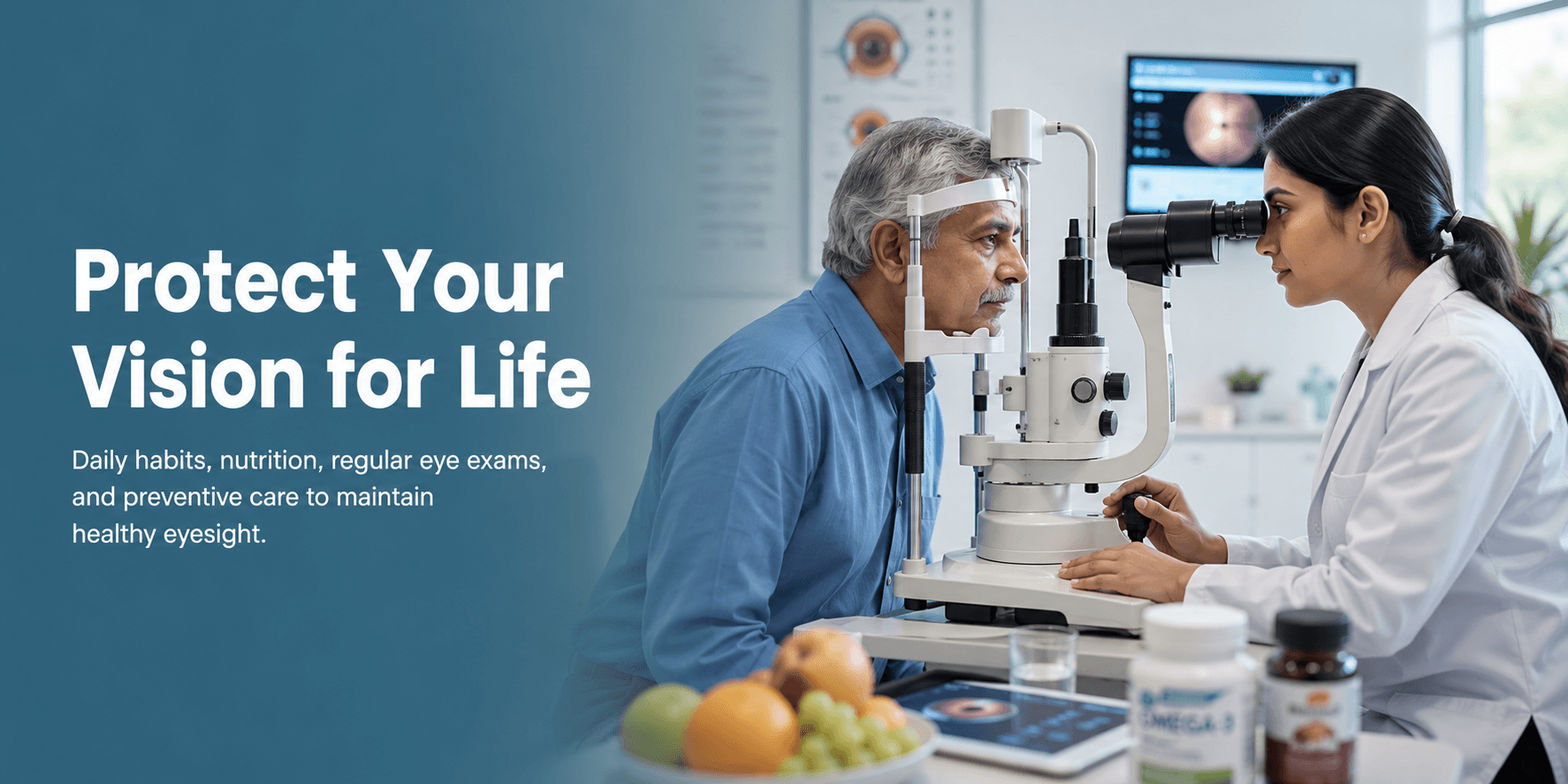
Healthy vision is not maintained by genetics alone. Research consistently shows that everyday behaviors—including nutrition, digital device habits, ultraviolet (UV) protection, chronic disease management, and regular eye examinations—play a measurable role in preserving eyesight and reducing the risk of preventable vision loss.
According to the World Health Organization (WHO), at least 2.2 billion people worldwide have a vision impairment or blindness, and at least 1 billion cases could have been prevented or have yet to be addressed through timely detection and treatment. This highlights that eye care is largely a preventive health issue rather than simply a treatment issue.
Why Eye Health Matters
The eyes are among the body’s most metabolically active organs. The retina consumes large amounts of oxygen and contains delicate neural tissue that cannot regenerate once significantly damaged. Diseases such as glaucoma, diabetic retinopathy, and age-related macular degeneration (AMD) often progress silently until permanent vision loss has occurred.
Maintaining eye health therefore involves:
- Preventing avoidable damage
- Detecting disease before symptoms appear
- Supporting retinal and optic nerve function
- Reducing long-term risk factors
Schedule Comprehensive Eye Examinations
One of the strongest predictors of preserving vision is early detection.
Many serious eye diseases—including glaucoma, diabetic retinopathy, retinal tears, and macular degeneration—cause little or no pain in their early stages.
A comprehensive dilated eye examination evaluates:
- Visual acuity
- Eye pressure
- Retina
- Optic nerve
- Lens clarity
- Peripheral vision
Protect Your Eyes from Ultraviolet (UV) Radiation
Long-term UV exposure contributes to:
- Cataracts
- Pterygium
- Photokeratitis
- Macular degeneration
- Eyelid skin cancers
Choose sunglasses that block 99–100% of UVA and UVB radiation.
Protection should include:
- Wraparound frames for outdoor activities
- Wide-brimmed hats
- UV-blocking prescription lenses when needed
Cloud cover does not eliminate UV exposure—up to 80% of UV rays can penetrate clouds.
Practice Healthy Digital Screen Habits
Digital Eye Strain (Computer Vision Syndrome) has become one of the most common visual complaints.
Symptoms include:
- Blurred vision
- Dry eyes
- Headaches
- Neck pain
- Difficulty refocusing
The 20-20-20 Rule
Every 20 minutes, look at something 20 feet away for 20 seconds.
This simple strategy reduces accommodative fatigue and blinking suppression.
Additional recommendations include:
- Blink consciously
- Position monitors slightly below eye level
- Reduce glare
- Increase font size
- Maintain 50–70 cm viewing distance
Studies show blink rate can decrease by approximately 50–60% during prolonged screen use, increasing tear evaporation and dry eye symptoms.
Prevent Dry Eye Disease
Dry eye affects hundreds of millions of people globally.
Risk factors include:
- Screen use
- Aging
- Contact lenses
- Autoimmune disease
- Air conditioning
- Certain medications
- Hormonal changes
Management includes:
- Preservative-free artificial tears
- Humidifiers
- Frequent blinking
- Warm compresses
- Omega-3-rich diet (evidence is mixed for supplementation, but dietary sources are generally beneficial)
Persistent symptoms require evaluation because untreated dry eye can damage the corneal surface.
Eat a Diet That Supports Retinal Health
Nutrition influences retinal metabolism and oxidative stress.
Evidence supports diets rich in:
Leafy Green Vegetables
Examples:
- Spinach
- Kale
- Collard greens
Contain:
- Lutein
- Zeaxanthin
These carotenoids accumulate in the macula and help filter harmful blue light.
Fatty Fish
Examples:
- Salmon
- Sardines
- Mackerel
Rich in DHA, an omega-3 fatty acid essential for retinal cell membranes.
Colorful Fruits
Rich sources of:
- Vitamin C
- Polyphenols
- Antioxidants
Examples include oranges, berries, kiwi, and guava.
Nuts and Seeds
Provide:
- Vitamin E
- Healthy fats
Vitamin E helps protect retinal cells from oxidative damage.
Eggs
Egg yolks contain highly bioavailable lutein and zeaxanthin.
Zinc-Rich Foods
Examples:
- Beans
- Pumpkin seeds
- Seafood
- Lean meats
Zinc supports vitamin A metabolism and retinal function.
Control Diabetes Aggressively
Diabetes is a leading cause of preventable blindness among working-age adults.
High blood glucose damages retinal blood vessels, leading to diabetic retinopathy.
The risk increases with:
- Duration of diabetes
- Poor glucose control
- Hypertension
- Kidney disease
The American Diabetes Association recommends:
- Annual dilated retinal examinations
- Blood glucose management
- Blood pressure control
- Cholesterol management
Good glycemic control substantially reduces the progression of diabetic retinopathy.
Maintain Healthy Blood Pressure and Cholesterol
The retina contains tiny blood vessels that are particularly vulnerable to vascular disease.
Poor cardiovascular health increases the risk of:
- Retinal vein occlusion
- Hypertensive retinopathy
- Stroke-related vision loss
Lifestyle habits that support vascular health—including regular physical activity, smoking cessation, and a balanced diet—also benefit eye health.
Avoid Smoking
Smoking is among the strongest modifiable risk factors for age-related macular degeneration.
Research has linked smoking with increased risk of:
- Cataracts
- AMD
- Optic nerve damage
- Dry eye disease
Former smokers gradually reduce their risk after quitting, although it may not return to the level of someone who has never smoked.
Wear Protective Eyewear
Approximately 90% of eye injuries are considered preventable with appropriate eye protection.
Protective eyewear is recommended during:
- Construction work
- Laboratory activities
- Woodworking
- Metal grinding
- Sports such as racquetball, squash, and hockey
Safety glasses should meet recognized impact-resistance standards for the intended activity.
Practice Safe Contact Lens Hygiene
Improper contact lens use significantly increases the risk of microbial keratitis, a potentially sight-threatening corneal infection.
Best practices include:
- Wash hands before handling lenses.
- Replace lenses on schedule.
- Use fresh disinfecting solution each time.
- Never top off old solution.
- Replace storage cases regularly.
- Avoid sleeping in lenses unless specifically prescribed.
- Avoid exposing lenses to tap water, pools, or hot tubs.
These measures reduce the risk of bacterial, fungal, and amoebic infections.
Get Adequate Sleep
Sleep supports tear film stability, ocular surface recovery, and visual processing.
Chronic sleep deprivation has been associated with:
- Eye fatigue
- Dry eye symptoms
- Eyelid twitching
- Reduced tear secretion
Most adults benefit from 7–9 hours of sleep per night.
Recognize Eye Emergencies
Immediate medical evaluation is warranted if you experience:
- Sudden vision loss
- New flashes of light
- A sudden increase in floaters
- A curtain-like shadow across vision
- Severe eye pain
- Chemical exposure
- Eye trauma
- Double vision with neurological symptoms
Prompt treatment can be vision-saving in conditions such as retinal detachment, acute angle-closure glaucoma, or central retinal artery occlusion.
Common Myths About Eye Care
Myth: Eating carrots alone guarantees good eyesight.
Reality: Carrots provide vitamin A, which is important for vision, but overall dietary quality—including leafy greens, fish, fruits, nuts, and seeds—has a much greater impact on long-term eye health.
Myth: Wearing glasses weakens your eyes.
Reality: Corrective lenses do not weaken eye muscles or accelerate vision deterioration. They improve visual clarity by correcting refractive errors.
Myth: Blue-light-blocking glasses prevent eye disease.
Reality: Current evidence does not show that blue-light-blocking glasses prevent retinal disease or macular degeneration. They may improve visual comfort for some individuals, but ergonomic screen habits and managing dry eye have stronger evidence for reducing digital eye strain.
Daily Eye Care Checklist
- Wear UV-blocking sunglasses outdoors.
- Eat a diet rich in leafy greens, fruits, fish, nuts, and seeds.
- Follow the 20-20-20 rule during prolonged screen use.
- Blink regularly and manage dry eye symptoms.
- Do not smoke.
- Maintain healthy blood sugar, blood pressure, and cholesterol.
- Use protective eyewear during hazardous work and sports.
- Practice strict contact lens hygiene.
- Sleep 7–9 hours each night.
- Attend regular comprehensive eye examinations, especially if you have diabetes, high myopia, or a family history of eye disease.
Key Takeaways
Protecting vision is an ongoing process that combines preventive care, healthy lifestyle choices, and timely medical evaluation. Regular comprehensive eye examinations, UV protection, proper digital device habits, balanced nutrition, cardiovascular and metabolic health, smoking cessation, and prompt attention to new visual symptoms are among the most effective strategies for preserving eyesight. Because many sight-threatening conditions develop without early symptoms, prevention and early detection remain the most reliable ways to maintain healthy vision throughout life.