Normal Eye Pressure (IOP): What Your Eye Test Numbers Really Mean
Written by

Dr. Aditi Sapovadia
Peadiatric Ophthalmologist & Squint Surgeon
The pressure of the fluid inside the eye is called intraocular pressure (IOP), or eye pressure. The constant formation. and the flow of fluids keeps this pressure up. It helps shape the eye and makes sure that the cornea and optic nerve get the nutrients they need.
Your eye makes a clear liquid called aqueous humor (AH), which drains through tiny channels near the edge of the cornea. Normal eye pressure is maintained when aqueous humor production and drainage are perfectly balanced; when this equilibrium changes, pressure may increase or decrease.
What Is Eye Pressure (Intraocular Pressure)?
The fluid pressure inside the eye is referred to as eye pressure, also known as intraocular pressure (IOP) or ocular hypertension.
Aqueous humor (AH) is a fluid produced in our eyes, and the small drainage region allows a similar quantity of fluid to exit the eye as it enters. This mechanism maintains a steady normal intraocular pressure, or IOP.
However, fluid accumulates if the drain isn’t functioning properly. The optic nerve may be harmed by increased intraocular pressure, which can lead to glaucoma. Glaucoma is a medical condition that, if left untreated, can result in irreparable eyesight loss.
Normal Eye Pressure Range: What Is Considered Healthy?
IOP fluctuations can harm the optic nerve and result in visual issues or irreversible blindness. In order to maintain long-term vision, it is crucial to know the range of ocular pressure, monitor fluctuations, and identify possible risks.
Eye pressure can be measured using safe, efficient, and precise techniques through a general eye examination. Monitoring pressure increases over time can reveal important information about eye health.
Normal Eye Pressure by Age: How IOP Changes Over Time
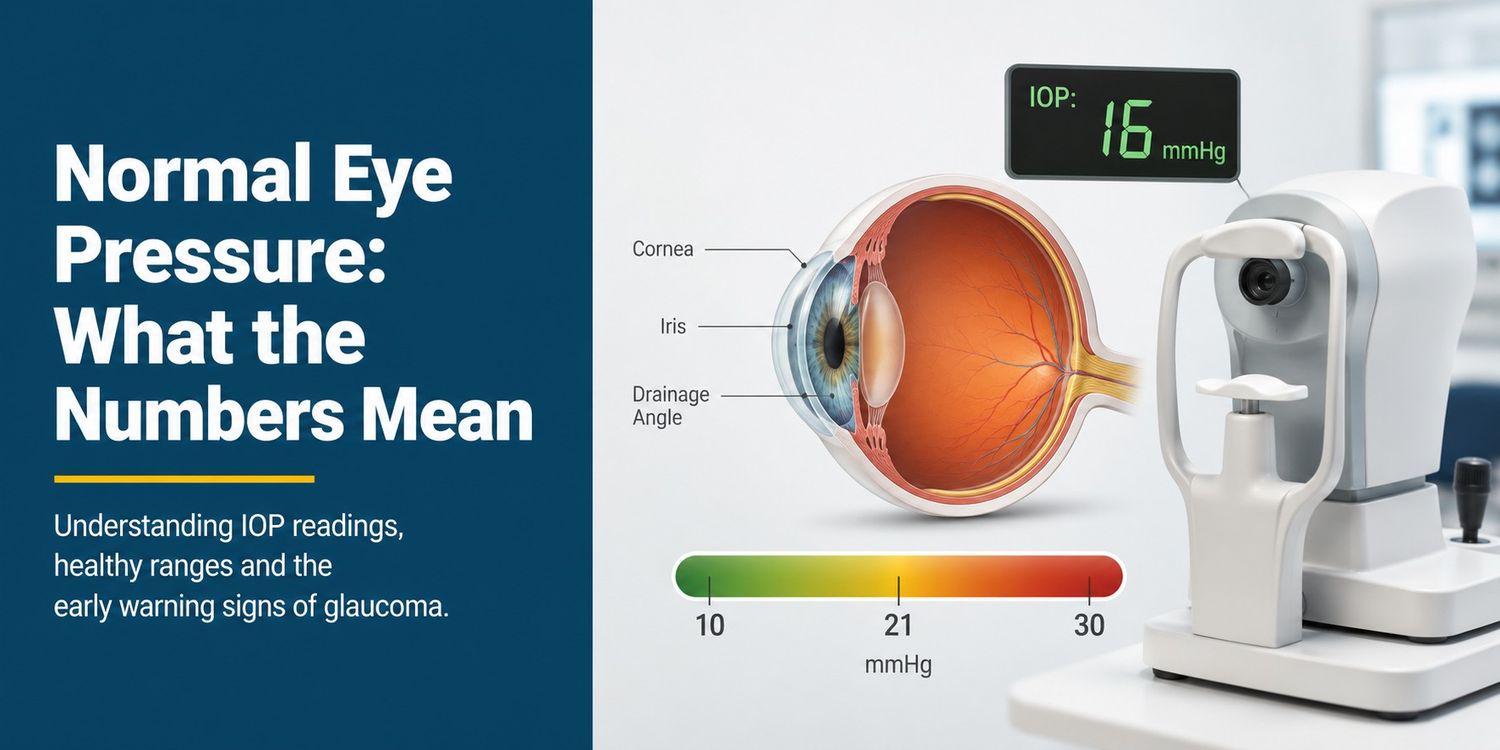
Normal eye pressure typically ranges from 10 to 21 mmHg. This measurement is given in millimeters of mercury (mmHg), which is the same unit as blood pressure. But there isn’t a single “normal eye pressure” range that works for everyone.
Some people may still be safe even if their blood pressure is a little higher or lower than normal. This is because of their optic nerve health and other personal factors.
For kids and teens, it is usually between 10 and 20 mmHg
For adults under 40, it usually stays the same, between 12 and 21 mmHg.
Adults over 40: 10 and 21 mmHg are still considered normal ocular pressures, but the risk of glaucoma goes up with age, especially if pressures tend to be higher.
What Is the Glaucoma Eye Pressure Range?
While some people with greater intraocular pressures may not exhibit any optic nerve damage, others may develop glaucoma even when their typical intraocular pressure is within the normal range. This condition is known as normal-tension glaucoma.
A measurement of more than 21 mmHg is deemed high. Generally, glaucoma eye pressure ranges over 30 mmHg are considered dangerously high, particularly if they persist. If left untreated, high eye pressure can damage the optic nerve and lead to glaucoma, a major cause of permanent blindness.
What Causes High Eye Pressure?
High eye pressure can be caused when
- The aqueous humor is produced faster than it drains from the eye.
- Blockage or reduced efficiency of the eye’s drainage system can lead to fluid buildup.
- It may also be associated with factors like genetics, aging, steroid use, or eye injury.
High Eye Pressure Symptoms: Warning Signs You Should Not Ignore
Particularly in the early stages, many people with high ocular pressure experience no symptoms at all. Therefore, routine eye examinations are very important.
The following high eye pressure symptoms could manifest:
- Headaches
- Pain or pressure in the eyes
- Vomiting or nausea (in severe acute situations)
- Blurry or fluctuating vision
- Halos surrounding lights
Low Eye Pressure (Ocular Hypotony): When IOP Drops Too Low
At the other extreme, abnormally low eye pressure (ocular hypotony) can also impair vision.
Low eye pressure symptoms may include:
- Blurred or distorted vision
- Eye pain or discomfort
- Structural changes in the eye or unstable vision
Low eye pressure may occur due to trauma, inflammation, or post-surgical complications. If not properly managed, the eye’s structure could be damaged, potentially leading to lasting vision problems.
How Is Eye Pressure Measured? Understanding the Eye Pressure Test
The International Agency for the Prevention of Blindness (IAPB) recommends that qualified ophthalmic staff measure IOP using either a Perkins tonometer (used for applanation tonometry) or modern technologies such as puff tonometers or Tonopen to detect the intra-eye pressure.
If these eye pressure tests are not accessible and the patient’s history or symptoms indicate that the IOP may be high, then there are two screening tests that may be useful:
- The fingertip test (digital palpation)
- Schiotz Tonometry
Goldmann Applanation Tonometry
Goldmann applanation tonometry is the gold standard eye pressure test: after numbing drops are applied, a small probe gently flattens the cornea, and the force required to do so is used to estimate intraocular pressure (IOP).
Non-Contact Tonometry (Air Puff Test)
No drops or contact. Good for screening. This eye pressure test is similar to the Goldmann applanation test, except it uses a short burst of air to flatten a small area of the cornea.
How to Check Eye Pressure at Home
Ocular pressure at home can be measured with handheld tonometry devices prescribed by an ophthalmologist.
- These technologies softly touch or scan the eye to determine intraocular pressure (IOP).
- Proper training is required to achieve precise and safe measurements.
- Regular follow-up with an ophthalmologist is required to confirm and monitor readings.
IOP and Glaucoma: Why Eye Pressure Matters for Your Vision
Intraocular pressure (IOP) or ocular hypertension is the high fluid pressure within the eye. Having high eye pressure increases your risk of developing glaucoma, a sight-threatening ocular illness. Left untreated, a consistently high IOP over time causes pressure that impacts the optic nerve, causing damage and, as a result, permanent vision loss. Monitoring IOP helps in early detection and prevention of vision loss.
- Schedule frequent eye checkups to monitor your health.
- Keep your eyes clear and avoid rubbing them.
- Use the eye drops suggested by your doctor.
- Shield your eyes against dust and the harmful UV rays.
- Contact the doctor as soon as you have any related problems that are of concern, such as blurred vision or pain.
How to Maintain a Healthy Eye Pressure Range
The good news is that excessive ocular pressure can often be effectively managed using the following strategies:
- Prescribed eye drops Patients should use the prescription drops carefully and attend follow-up appointments. These approaches can help you monitor your ocular pressure at home.
- Selective Laser Trabeculoplasty (SLT) A minimally invasive non-thermal (cold) laser treatment for lowering ocular pressure.
- Make Healthy Lifestyle Changes Keeping us hydrated, avoiding inverted postures, using protective eyewear, and limiting caffeine intake are among the lifestyle choices that help to maintain stable and normal IOP. Maintaining a healthy weight, exercising regularly, and treating systemic disorders like diabetes and hypertension are also beneficial.
- Regular Eye Exams Adults aged 40 to 54 should undergo a comprehensive eye pressure test every 2-4 years, 55 to 64 every 1-3 years, and 65 and older every 1-2 years. Patients with risk factors, such as diabetes or hypertension, may require annual examinations. This program for monitoring blood pressure helps find problems early and stops them from getting worse.
- Avoid dangerous positions Don't stay in positions where your head is down for a long time (like some yoga poses), as this can raise IOP. Also, be careful when using steroid drugs (like eye drops), as they can raise ocular pressure in some people.
When Should You See an Eye Doctor for Eye Pressure Symptoms?
If you experience
- Blurred vision, eye pain, or halos around lights.
- Frequent headaches or feeling high pressure in your eyes.
- For a sudden loss of vision or significant eye irritation, get immediate medical attention.
If you have a family history of glaucoma, have diabetes, or have used steroids for an extended period of time, it is essential to see an eye doctor and get an eye examination done.
Glaucoma, one of the most common causes of preventable blindness, is frequently associated with untreated excessive eye pressure. Because there are no early warning signals in most cases, annual eye examinations are the only method to detect abnormalities before they cause lasting damage.
Frequently Asked Questions
What is the normal eye pressure range in mmHg?
Normal eye pressure is considered healthy when it falls within the typical range of about 10–21 mmHg. But there isn’t a “normal eye pressure” range that works for everyone. Depending on their optic nerve health and other individual factors, some people may still be safe despite having somewhat higher or lower blood pressure by nature.
Can high eye pressure damage your vision without symptoms?
Yes, high eye pressure can harm vision silently, with no visible symptoms. It may gradually damage the optic nerve and cause glaucoma before any warning signals arise. Particularly in the early stages, many people with high ocular pressure experience no symptoms at all
How often should you get an eye pressure test after age 40?
Adults aged 40 to 54 should undergo a comprehensive eye pressure test every 2-4 years, 55 to 64 every 1-3 years, and 65 and older every 1-2 years. Patients with risk factors, such as diabetes or hypertension, may require annual examinations
Does normal eye pressure change with age?
Yes, normal eye pressure changes a little as you get older, but it usually stays in the recommended range. Changes in the eye’s drainage system that happen with age may make it more likely that pressure will change and that glaucoma will develop over time.
Can you check eye pressure at home?
Eye pressure tests at home can be measured with handheld tonometry devices prescribed by an ophthalmologist. Proper training is required to achieve precise and safe measurements. Regular follow-up with an ophthalmologist is required to confirm and monitor readings.